
Agriculture has come a long way from the days of simple hand tools and seasonal guesswork. Today, it stands at the crossroads of tradition and technological innovation, blending the wisdom of past generations with the power of modern science. Farmers now rely on data-driven insights, climate-resilient practices, and sustainable resource management to feed a growing global population. As the world changes, agriculture adapts—shifting toward methods that nurture the land rather than exhaust it, ensuring that soil fertility, biodiversity, and natural ecosystems remain at the heart of food production.
The Importance of Sustainable Farming Practices
With rising environmental challenges, sustainable agriculture has emerged as a vital approach to securing our future food supply. This method focuses on regenerating the soil, conserving water, and reducing chemical dependency to protect natural resources. Techniques such as crop rotation, organic fertilization, and integrated pest management help maintain a balanced ecosystem where crops and nature coexist harmoniously. By prioritizing sustainability, farmers are not just producing food for today but safeguarding the ability of future generations to continue cultivating the land.
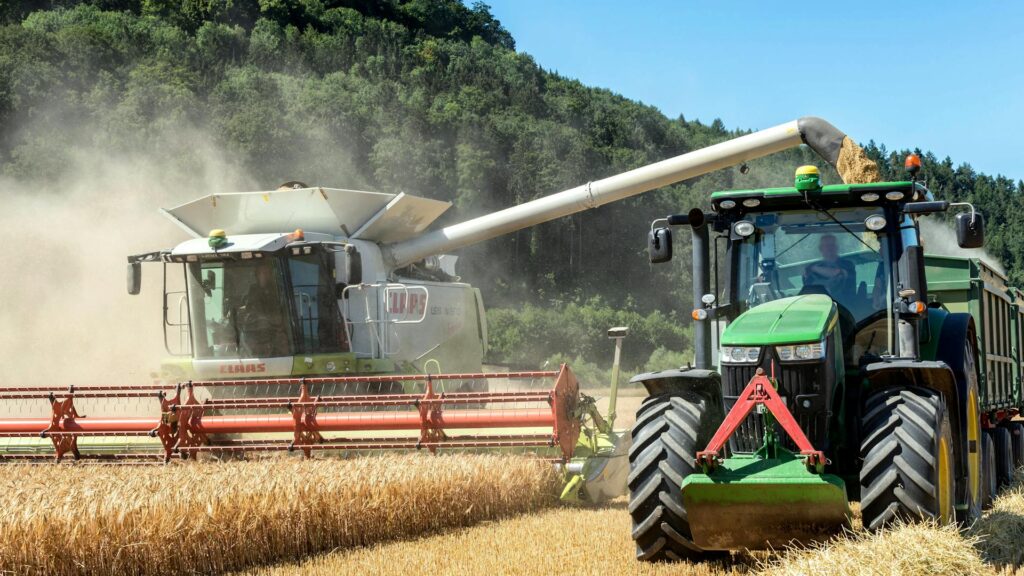
The Role of Technology in Boosting Agricultural Productivity
Technology has transformed agriculture into a more efficient, precise, and reliable industry. Innovations such as GPS-guided equipment, drone monitoring, automated irrigation systems, and advanced breeding technologies provide farmers with tools that make their work more productive and predictable. These advancements help reduce waste, improve crop quality, and optimize every stage of the growing cycle. As smart farming becomes more accessible, even small-scale farmers benefit from improved yields and reduced risks, creating stronger and more resilient agricultural systems.
The Value of Biodiversity in Agricultural Systems
Biodiversity acts as the backbone of a healthy agricultural ecosystem, providing the genetic diversity necessary for crops to resist diseases, pests, and climate stress. By maintaining a rich variety of plant species and seed types, farmers preserve valuable traits that enhance resilience and adaptability. Organic seed systems, heirloom varieties, and regionally adapted crops play an essential role in protecting the food chain from vulnerability. When biodiversity thrives, agriculture becomes more stable, ensuring that communities have access to nutritious food regardless of environmental challenges.
The Future of Agriculture and Global Food Security
As populations grow and climate patterns shift, the future of agriculture depends on our ability to innovate and collaborate. Whether through sustainable farming, organic production, agri-technology advancements, or improved seed systems, the goal remains the same: to create a food system that is productive, equitable, and environmentally sound. Farmers, researchers, policymakers, and communities must work hand-in-hand to shape solutions that benefit both people and the planet. By integrating scientific research with ecological understanding, we move closer to a future where agriculture supports global food security while preserving the natural world that sustains us.